

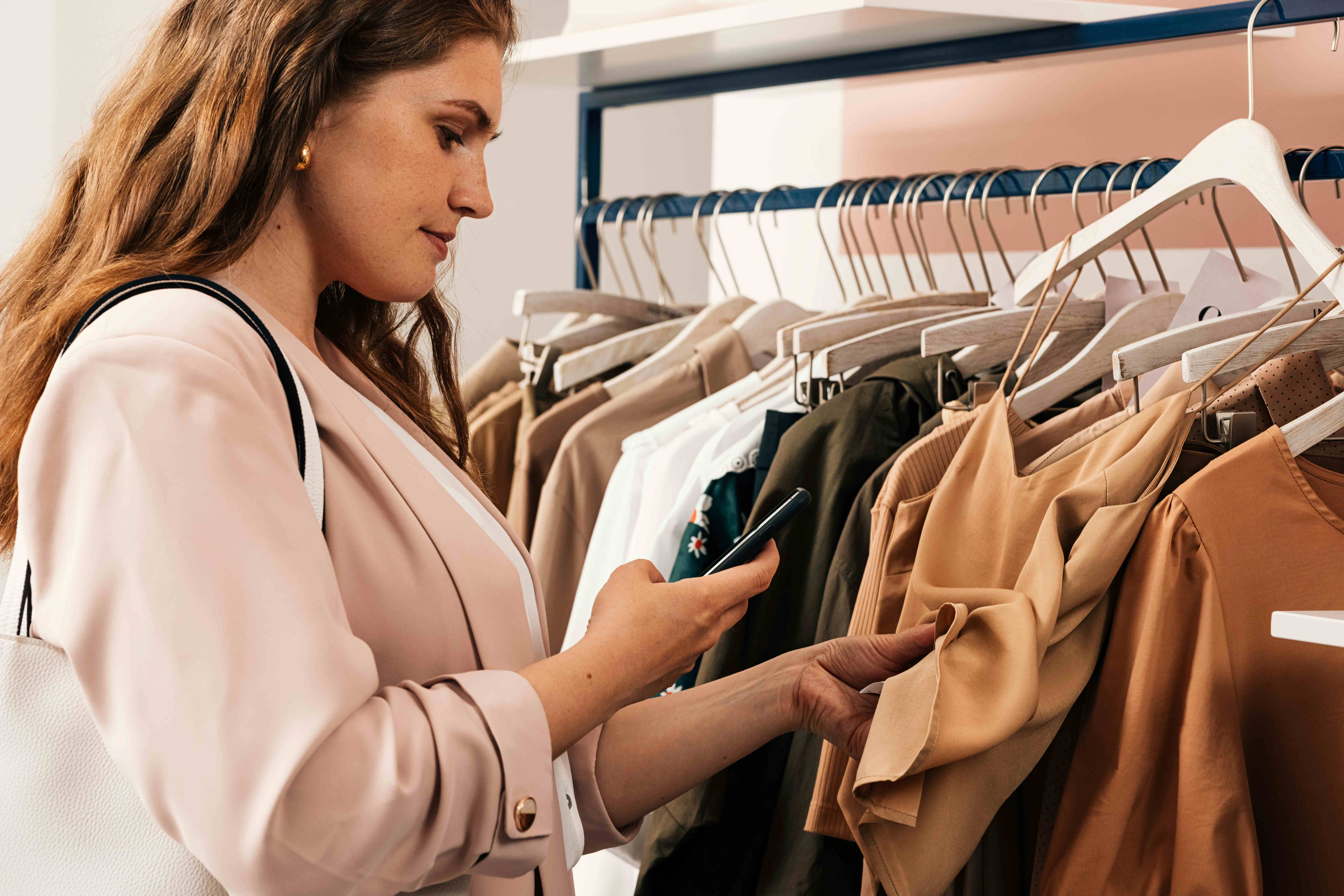
Nearly one in four Australians turn to AI first when researching a significant purchase, compared with 7% who seek advice from retail staff
Australians are increasingly turning to artificial intelligence at the beginning of their shopping journey, with new research finding nearly one in four (23%) now use AI as their first source of information when researching a significant purchase.
The research, commissioned by global leader in supply chain commerce, Manhattan Associates Inc. (NASDAQ: MANH), found just 7% of Australians first turn to an in-store sales assistant for advice, highlighting the growing role AI is playing in how consumers discover and evaluate products before they buy.
Trust in the technology is also high. More than three-quarters (76%) of Australians said they trust AI shopping recommendations as much as or more than advice from a retail sales assistant, including 47% who place greater trust in AI.
Raghav Sibal, APAC Vice President at Manhattan Associates, said the findings suggest consumers are arriving at retailers with more information at their fingertips and a clearer idea of what they want.
“Consumers are using AI for product discovery, to compare options and inform their purchasing choices. These are some of the things they might previously have relied on a retail sales assistant for,” Sibal said.
“This doesn’t make retail staff irrelevant, but it does change what customers expect from them. Shoppers might now arrive in-store already knowing which products they are considering, what alternatives are available and what they expect to pay. Retailers and their teams need to be ready to add value beyond information the customer can now find for themselves.”
The changing role of retail staff comes as AI becomes a more established part of how Australians research purchases. More than four in five Australians (83%) have used an AI assistant such as ChatGPT, Gemini or Copilot for shopping research, with 36% doing so regularly.
Value and convenience drive AI adoption
The growing use of AI comes as Australians continue to balance convenience with a greater focus on value. Separate research from PayPal found price comparison is now the most common way Australians use AI when shopping, with 57% of AI shoppers saying the technology helps them save money.
Manhattan Associates’ research suggests convenience is another important part of AI’s appeal. When asked why they would choose AI over speaking to a retail sales assistant, 42% of respondents said for its 24/7 availability, followed by speed (20%) and the ability to compare products more easily (19%).
Sibal said the speed and ease of AI-led research is raising expectations for the experience retailers provide through to purchase and fulfilment.
“AI can make it easier for consumers to reach a decision, but that puts more pressure on retailers to deliver when they move from research to purchase. Knowing a product exists isn’t good enough. Customers need to know whether it’s available, where it’s available, what it will cost and how quickly they can get it,” he said.
AI expands the path to purchase
Despite the rapid uptake of AI, Australians are not abandoning retailer-owned channels. Even if AI could accurately answer every product question, 84% of Australians said they would still be likely to visit a retailer’s website before, while 81% would still be likely to visit a physical store.
“AI can help a customer decide what they want, but it can’t compensate for a poor experience when they are ready to buy. If the price they find is different, the product isn’t available or the fulfilment options don’t meet their expectations, retailers still risk losing that customer at the point that matters most,” Sibal said.
“As AI becomes more influential earlier in the journey, retailers need to ensure they deliver a connected experience through to purchase. Consumers are arriving better informed and with clearer expectations, putting greater importance on the retailer’s ability to turn that intent into an accurate and reliable purchase and fulfilment experience,” he concluded.