

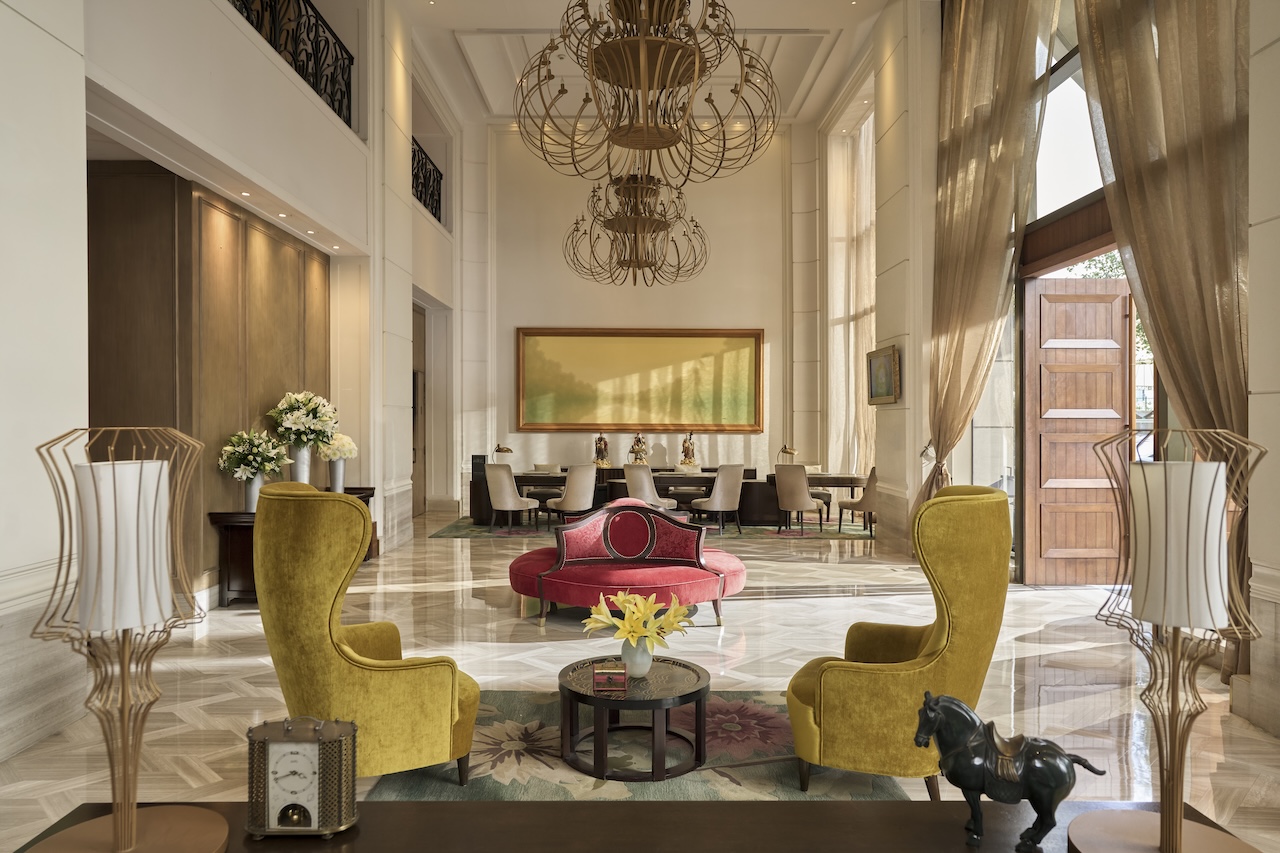
Hotel Des Arts Saigon has achieved a 21.6% increase in revenue per available room (RevPAR) and a 13.5% improvement in Revenue Generation Index (RGI) in its first year using IDeaS G3 Revenue Management System (RMS).
Operating in a market where demand patterns can shift quickly, Hotel Des Arts Saigon, a five- star luxury hotel in the heart of Ho Chi Minh City needed to respond faster to pricing opportunities while maintaining control over inventory and overbooking.
Prior to adopting a revenue management system, Hotel Des Arts Saigon relied on a legacy revenue management solution, which required manual reviews and updates that could not always keep pace with market changes.
“When demand increased, it took time to review pricing, implement rate changes, and adjust restrictions. That delay sometimes meant missed opportunities,” explained Director of Revenue & E-Commerce, Tram TO.
Without an advanced RMS, revenue decisions were reactive rather than proactive. And as market pricing became more dynamic, the limitations of manual processes became more pronounced, directly impacting performance and revenue potential. Pricing and restriction updates required significant manual effort, slowing the team’s ability to capitalize on peak demand periods. Overbooking management also required hands‑on attention, adding to daily workload and operational complexity. These inefficiencies not only consumed valuable time but also limited the hotel’s ability to fully optimize demand and maximize revenue.
To support more agile, data‑driven revenue management, Hotel Des Arts Saigon implemented IDeaS G3 RMS, which provides pricing and restriction recommendations based on demand signals, enabling faster and more confident decision‑making.
With IDeaS G3 RMS in place, Hotel Des Arts Saigon gained speed, accuracy and efficiency. Features such as Last Room Value (LRV)-driven yield decisions and automated overbooking management proved especially valuable during high-demand periods.
“IDeaS G3 RMS helps us respond quickly to market changes, so we don’t miss revenue opportunities,” Tram said. “Importantly, the earlier you implement the system and the stronger the data feeding it, the better it can learn your property. Over time, that leads to more accurate insights, stronger optimization, and better revenue results.”
After seven months, the impact was clear: a 20% RevPAR uplift in Q4 2025, meaningful time savings for the team and stronger overall commercial performance.
“Hotels in fast-growing urban destinations like Ho Chi Minh City face an increasingly dynamic commercial environment, where opportunities can emerge and disappear quickly. Hotel Des Artes Saigon’s success demonstrates the value of moving beyond manual decision-making and embracing a more intelligent, data driven approach to revenue management. By doing so, the hotel has strengthened its marketing position, improved commercial performance and equipped its team to focus on higher-value strategic decisions,” said Jurgen Ortelee, Managing Director, APAC, IDeaS.